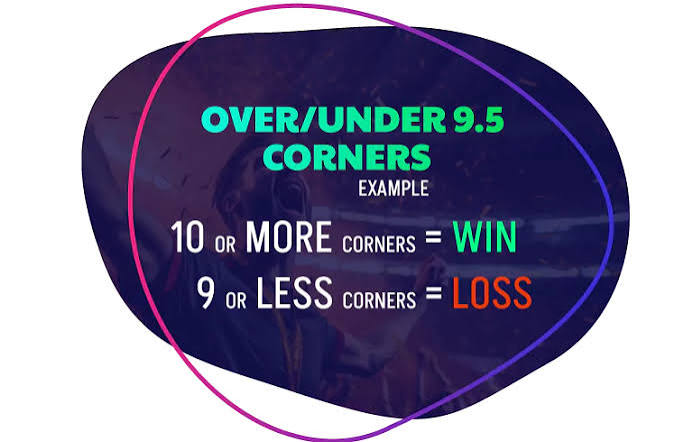

Corner markets in Serie A 2017/18 offered a separate layer of value from traditional goal-based bets because many teams showed repeatable patterns in how they generated and conceded corners over the season. By understanding which sides drove high or low corner counts through tactical choices and match dynamics, bettors could align over/under corner plays with actual on-pitch behaviour rather than treating corner lines as random add-ons.
Why Corners Deserve Their Own Pre-Match Analysis
Corners result from a combination of sustained attacking pressure, crossing frequency and defensive interventions, making them sensitive to style and game state rather than just goal output. A team that consistently pushes full-backs high and fires in crosses will naturally generate more corner opportunities, while one that prefers central combinations and long-range shots might produce fewer. On the defensive side, compact blocks that deflect shots and crosses behind, instead of allowing clear chances or clearances into play, also push corner counts up in a predictable way.
From a betting perspective, this means the over/under corner market responds to different drivers than the goal line. Matches can feature high corner volumes without many goals if attacks repeatedly break down at the crossing or blocking stage, or relatively few corners in games dominated by central transitions and counter-attacks. Treating corners as a separate process—rooted in how teams build and defend attacks—provides an analytical edge by tying bets to structure rather than headline narratives about goals or league reputation.
Serie A 2017/18 Corner Landscape
Corner statistics for Serie A show that the league’s average total corners per match sat around the high single digits to low double digits, with some teams consistently above or below that baseline. Data from corner tables indicates that historically, sides like Atalanta, Roma and AC Milan have tended to produce higher total corner counts due to their emphasis on attacking width and volume of shots, while more conservative or counter-attacking teams sit closer to or below the league average.
Even though many public datasets present aggregate or recent-season numbers, the same structural patterns—possession-heavy teams driving corners, reactive sides conceding them—were already evident around the 2017/18 campaign. High-pressing, front-loaded teams generated regular crossing situations and blocked shots, driving both “corners for” and “corners against,” while teams focused on deeper blocks and low possession produced fewer sustained sequences in wide areas. For bettors, the key was not to memorise raw corner counts but to identify which teams’ tactical identities naturally shifted matches toward corner-heavy or corner-light profiles.
Mechanisms Linking Playing Style to Corner Totals
The link between style and corner totals rests on a few repeatable mechanisms that show up consistently in corner data. These mechanisms help explain why certain teams’ matches clustering above or below typical corner lines is more than coincidence, especially over a full league season.
Tactical Mechanisms Behind High and Low Corner Games
High-corner profiles typically arise from:
- Wide, cross-heavy attacks, where wingers and full-backs repeatedly drive to the byline, forcing blocks and deflections behind.
- Sustained territorial pressure, with a team camping in the opponent’s half, leading to frequent shots and blocked crosses that turn into corners.
- Defensive strategies that prioritise safety first—clearing into touch or behind goal rather than attempting risky passes out of pressure.
Low-corner profiles tend to come from:
- Central combination play and through balls, where attacks end in shots from inside channels rather than wide, block-prone positions.
- Counter-attacking setups that rely on quick transitions and fewer sustained possessions in the final third, reducing repeated crossing opportunities.
- Defensive structures that steer opponents into low-risk positions or intercept passes early, meaning sequences end before crosses or blocked shots occur.
These mechanisms clarify why some clubs consistently feature in the upper end of corner tables while others cluster around the lower end. Recognising them allows bettors to move beyond raw averages and focus on how each team’s tactical identity interacts with specific opponents to shape likely corner volumes.
Using Lists to Structure Pre-Match Corner Checks
A structured pre-match checklist helps ensure that corner bets hinge on multiple converging signals instead of a single statistic from past games. Because corners respond strongly to matchup effects, a systematic approach keeps analysis grounded in cause–effect relations: how each side attacks and defends wide areas, how often they control territory, and how they react under pressure.
A practical corner-focused sequence might include:
- Check each team’s average corners for and against per match over a meaningful sample, looking for sides clearly above or below league averages.
- Assess playing style: whether a team relies on wing play and crossing or prefers central attacks and direct passes, using available tactical reports and shot maps where possible.
- Examine expected game state: heavy favourite vs underdog matches tend to see the favourite pushing for extended periods, increasing corner potential for and sometimes against.
- Consider set-piece emphasis: teams with strong aerial threats often seek corner opportunities deliberately, shaping how they attack in the final third.
- Factor in venue and weather: poor pitches or wet conditions can increase blocked shots and miscued clearances, subtly lifting corner counts.
Interpreting this sequence shows that strong over-corner candidates appear when both teams’ profiles point toward sustained pressure and wide attacks, particularly when a favourite is chasing a win against a stubborn opponent. Conversely, under-corner opportunities emerge when both sides prefer central transitions, accept lower possession, or set up in ways that minimise repeated wide-phase attacks, even if the match might still see goals. Aligning bets with these converging indicators reduces reliance on historical averages alone and ties decisions to the actual mechanics likely to produce corners in that specific fixture.
Integrating UFABET into a Corner-Focused Strategy
When a bettor builds a strategy around corner totals rather than goals, the choice of operational environment shapes how precisely they can express those views across different lines and formats. In this strategic context, some practitioners choose to place their corner-based wagers through an online betting site such as ufabet because it typically offers multiple tiers of corner lines—standard 9.5 or 10.5 totals, alternative over/under bands, and sometimes half-specific markets. This variety enables a nuanced approach: backing higher lines in matches where both teams push wide and create repeated pressure, or targeting first-half corners when one side historically starts aggressively before game state stabilises. By mapping their Serie A 2017/18 corner analysis—teams with chronically high or low corner counts, style-based tendencies, and matchup effects—onto this menu of options, bettors can tailor risk and exposure to the specific corner dynamics they expect, rather than being constrained to a single, generic total line.
casino online Contexts and How They Shape Corner Pricing
Corner markets often sit a step below main goal lines in visibility, especially within broader gambling ecosystems where users shift between sports and other forms of entertainment. In a casino online setting, casual participants tend to focus on match results, goals and player markets, leaving corners relatively under-discussed and sometimes slower to adjust to evolving patterns. This behavioural skew has consequences for pricing: while main lines may quickly absorb new information about teams’ attacking form, corner lines can lag, still reflecting league-wide averages rather than team-specific trends in attacking width or territorial pressure. For analytically minded bettors paying attention to corner data for Serie A 2017/18—particularly teams whose matches consistently ended with totals well above or below typical lines—this lag within the casino online environment can create windows where over or under corner bets remain misaligned with the actual tactical reality, offering value before wider attention closes the gap.
Table of Typical Corner Profiles and Over/Under Implications
A table summarising common corner profiles helps bridge the gap between statistics and specific over/under strategies, turning qualitative observations about style into concrete betting interpretations. By categorising scenarios based on how teams attack and defend, bettors can more easily assign each fixture to an expected corner range.
| Profile type | Corners for/against pattern | Likely corner over/under interpretation |
| High-pressure, wide attacking side | 5+ corners for, 4+ against per game | Strong over candidate, especially vs deep-block opponents |
| Possession-heavy, controlled defence | Above-average corners for, below-average against | Over-friendly vs reactive teams; neutral vs fellow controllers |
| Counter-attacking, compact defence | Low corners for, moderate corners against | Under candidate vs cautious opponents; mixed vs high-press teams |
| Both teams central-transition focus | Corners around or below league average | Under-leaning, particularly if neither relies on wing play |
The impact of this table is that it discourages a one-size-fits-all view of corner lines and instead ties expectations to specific combinations of team profiles. A match between two high-pressure, wide-focused teams naturally leans toward over corners, while one between central-transition sides suggests lower totals even if goals remain possible. Using this framework, bettors can prioritise fixtures where both teams’ profiles support the same directional bias in corner counts, thereby increasing the coherence of their corner portfolio.
Limits and Failure Cases in Corner-Based Betting
Corner-focused strategies, while structurally grounded, carry clear limitations and failure modes that must be considered to maintain long-term discipline. First, lineups matter: missing wingers, full-backs or set-piece takers can quickly reduce a team’s ability to generate corners, particularly if replacements alter the team’s attacking width or crossing frequency. Second, game state can undermine pre-match expectations; an early goal for a favourite may lead to slower, controlled play that reduces corner generation, even in teams normally associated with high corner totals.
Third, bookmaker adjustments over time can compress edges, especially once corner statistics gain wider visibility and are integrated into pricing models. Lines may shift higher for known high-corner teams, reducing the value of blindly backing overs and requiring more nuanced filters based on opponent style and current form. Finally, small-sample variance remains a factor—individual matches can deviate sharply from long-term patterns due to refereeing decisions, unusual tactical choices or match conditions, meaning that no corner strategy should treat outcomes as guaranteed even when structural logic is strong.
Summary
Analysing corner patterns in Serie A 2017/18, rather than treating them as incidental, provided a coherent way to identify which teams and matchups suited over or under corner bets. By linking playing styles, territorial dynamics and defensive habits to repeatable corner outcomes—and by structuring pre-match checklists and scenario-based tables—bettors could select fixtures where corner lines were most likely misaligned with actual game mechanics. At the same time, awareness of limits in lineup stability, game state, and market adjustment ensured that corner-based strategies remained flexible and context-sensitive, using data as a guide rather than a rigid rulebook.