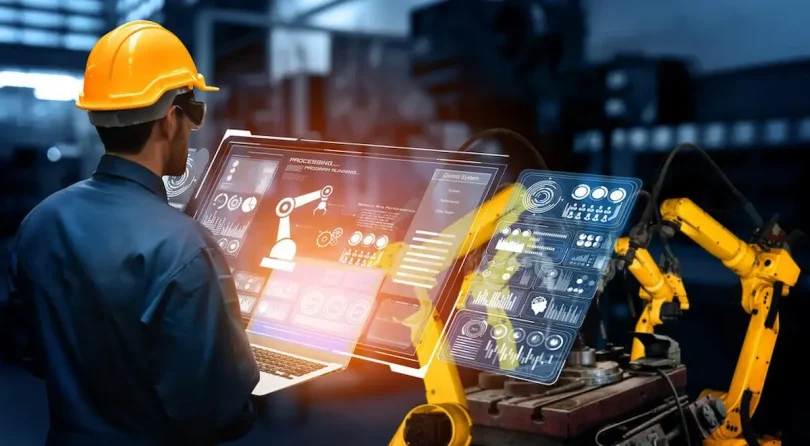

In the rapidly evolving industrial landscape, staying updated with technological advancements is no longer optional—it’s essential. This engineering automation trends guide provides an in-depth look at how automation is transforming engineering processes, helping professionals optimize efficiency, enhance innovation, and stay ahead in a competitive environment.
Whether you are an engineer, a student, or a technology enthusiast, understanding these trends will help you prepare for the future of smart engineering.
What is Engineering Automation?
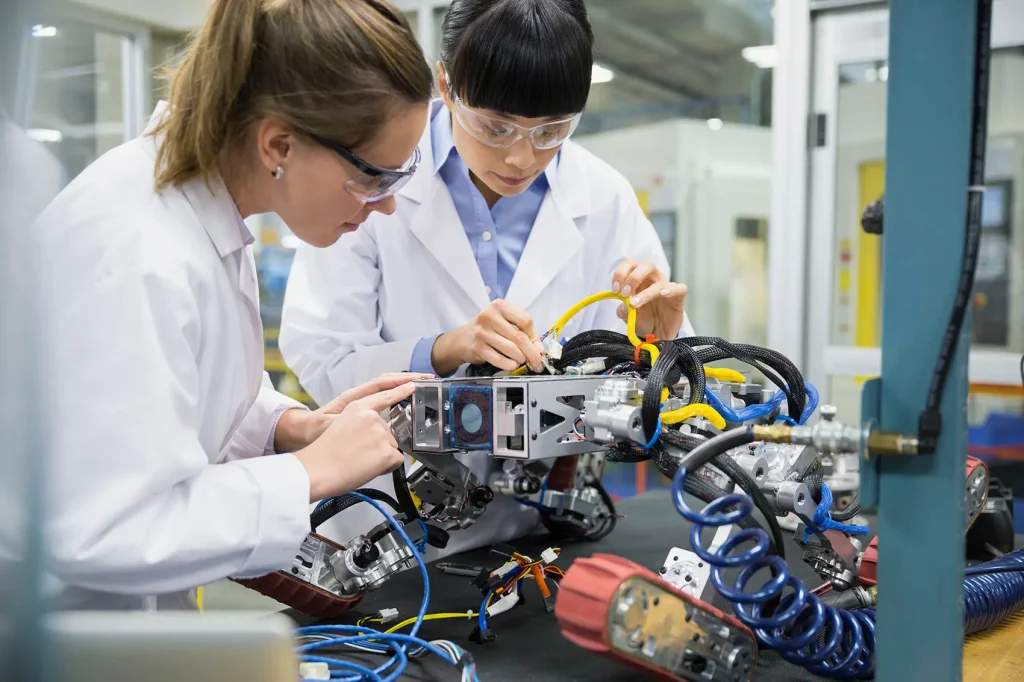
Engineering automation involves using advanced technologies to perform tasks that traditionally required human effort. These technologies include robotics, artificial intelligence (AI), machine learning (ML), the Internet of Things (IoT), and digital twin systems. Automation is now a critical part of designing, testing, manufacturing, and maintaining products in various industries.
At its core, automation in engineering is about improving efficiency, accuracy, and productivity, while reducing errors, downtime, and operational costs. It allows engineers to focus on high-level problem-solving and innovation rather than repetitive manual tasks.
Why Engineering Automation Matters
Automation is more than just replacing manual labor—it’s about enhancing engineering capabilities. Here’s why it matters today:
- Improved Productivity: Automated systems can operate 24/7, delivering consistent results without fatigue.
- Precision and Accuracy: Advanced robotics and AI minimize human error in complex tasks.
- Cost Efficiency: Predictive maintenance, optimized processes, and reduced wastage lower operational costs.
- Faster Innovation: Automation accelerates design, testing, and prototyping, helping engineers bring products to market faster.
- Enhanced Safety: Dangerous tasks can be handled by machines, reducing workplace accidents and risks.
Major Engineering Automation Trends in 2025
1. Artificial Intelligence and Machine Learning Integration
AI and ML are now at the heart of engineering automation. They allow systems to learn from data, identify patterns, and make predictive decisions. Some applications include:
- Predictive maintenance in industrial equipment.
- Optimization of design workflows in mechanical and civil engineering.
- Quality control using computer vision for defect detection.
AI-driven tools are increasingly being used to simulate thousands of design variations, saving engineers months of manual work.
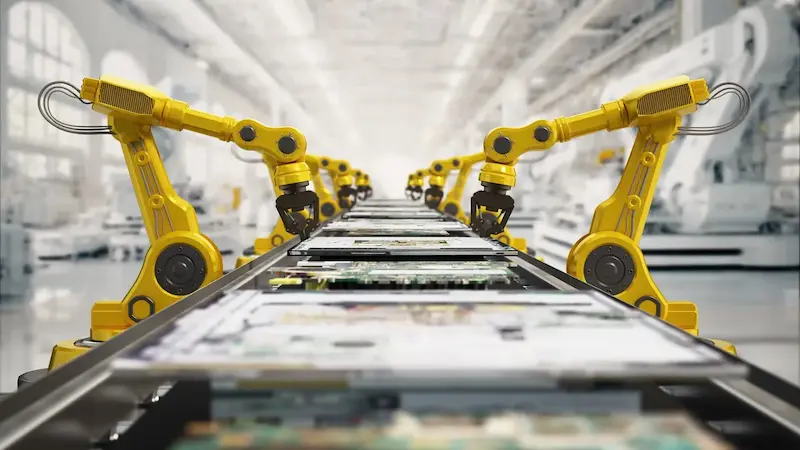
2. Industrial Robotics and Collaborative Robots (Cobots)
Robotics is a cornerstone of automation, but the latest trend is collaborative robots (cobots). Unlike traditional industrial robots that operate in isolation, cobots work alongside humans, assisting in:
- Assembly line tasks.
- Testing and inspection.
- Packaging and logistics.
Cobots improve productivity while ensuring human safety, making them essential in modern factories and labs.
3. Digital Twin Technology
Digital twins are virtual replicas of physical assets, processes, or systems. They enable engineers to simulate, monitor, and optimize performance in real time. Applications include:
- Predicting equipment failure in manufacturing plants.
- Optimizing building systems in civil engineering.
- Simulating aerospace components for safety and performance.
Digital twins reduce downtime, improve efficiency, and allow engineers to experiment without impacting real-world operations.
4. Internet of Things (IoT) in Engineering
IoT connects devices and sensors to collect real-time data. Engineers use this data to analyze performance, optimize systems, and predict maintenance needs. Examples include:
- Smart sensors in manufacturing equipment.
- Remote monitoring of pipelines and energy grids.
- IoT-enabled construction equipment to track progress and efficiency.
IoT is a key driver of predictive analytics in engineering automation.
You may also like to read this:
MATLAB Tutorial For Engineers: Complete Beginner’s Guide
Latest Engineering Trends 2026: AI, Robotics, Sustainability
Engineering Technology News Updates: Latest Innovations 2025
Modern Engineering Innovations Explained For Everyone
MATLAB Applications In Engineering: Complete Guide
5. Low-Code and No-Code Automation Platforms
Low-code/no-code platforms allow engineers to create automated workflows without extensive programming skills. They enable:
- Rapid development of control dashboards.
- Automated reporting and notifications.
- Integration of multiple systems with minimal coding effort.
These platforms are reducing the barrier for smaller firms or non-technical teams to adopt automation.
6. Cloud-Based Engineering Solutions
Cloud computing is transforming engineering by providing scalable infrastructure for simulations, collaboration, and data management. Benefits include:
- Real-time collaboration among global teams.
- Access to high-performance computing for simulations.
- Reduced hardware investment and maintenance costs.
Cloud solutions also enable engineers to leverage AI and machine learning tools without heavy on-premise infrastructure.
7. Sustainable Automation Practices
Sustainability is becoming central to engineering automation. Engineers are adopting automation tools to reduce energy consumption, minimize waste, and optimize resource usage. Examples include:
- Energy-efficient automated production lines.
- Smart building systems to reduce environmental impact.
- Automated waste management and recycling systems in factories.
Automation now aligns with corporate sustainability goals, making it not only efficient but also environmentally responsible.
Benefits of Embracing Engineering Automation
Implementing automation offers multiple advantages for engineers and organizations:
- Efficiency and Speed: Automated systems complete tasks faster and more consistently.
- Reduced Operational Costs: Predictive maintenance and resource optimization save money.
- Enhanced Safety: Robots handle hazardous tasks, reducing human risk.
- Data-Driven Decisions: Real-time monitoring and analytics improve decision-making.
- Innovation Focus: Engineers can focus on research, development, and creative problem-solving.
Challenges in Engineering Automation
Despite its advantages, automation comes with challenges:
- High Initial Investment: Implementing AI, robotics, or IoT systems can be expensive.
- Integration Complexity: Merging new systems with existing processes can be challenging.
- Workforce Adaptation: Employees need training to work with advanced technologies.
- Data Security Risks: Connected systems are vulnerable to cyber threats.
Addressing these challenges requires strategic planning, training, and robust cybersecurity measures.
How to Stay Ahead in Engineering Automation
To make the most of automation trends:
- Invest in Continuous Learning: Stay updated with AI, robotics, IoT, and cloud innovations.
- Train Your Workforce: Provide skills development for engineers and technicians.
- Pilot Before Full Implementation: Test automation solutions on a smaller scale.
- Collaborate Across Departments: Engineering, IT, and management should work together.
- Prioritize Sustainability: Implement automation that reduces environmental impact.
FAQs: Engineering Automation Trends Guide
Q1: Will automation replace engineers?
No. Automation enhances engineers’ capabilities, allowing them to focus on high-level tasks.
Q2: Which industries benefit the most from automation?
Manufacturing, aerospace, automotive, energy, and civil engineering industries are the primary adopters.
Q3: How does AI improve engineering processes?
AI helps with design optimization, predictive maintenance, data analytics, and intelligent decision-making.
Q4: What is a digital twin?
A digital twin is a virtual replica of a real-world system used for simulations, monitoring, and optimization.
Q5: Can small firms implement automation effectively?
Yes. Low-code platforms, IoT devices, and cloud solutions allow smaller firms to adopt automation incrementally.
Conclusion
The future of engineering is automated. This engineering automation trends guide highlights the technologies, strategies, and best practices shaping the next generation of engineering. From AI and robotics to IoT, cloud computing, and sustainable practices, these trends are helping engineers work smarter, innovate faster, and operate more efficiently.
Staying informed and embracing these advancements is crucial to remaining competitive in today’s dynamic industrial landscape.