In the world of engineering, staying ahead means embracing the latest technological advancements. Emerging engineering tools and software are not just optional add-ons—they’re revolutionizing the way engineers design, simulate, analyze, and manage projects. Whether you’re in mechanical, civil, electrical, or software engineering, these tools are changing the way professionals approach complex problems, enabling faster, more accurate, and more collaborative workflows.
If you’ve ever wondered how engineers create precise designs, run simulations without physical prototypes, or manage massive projects efficiently, the answer lies in these advanced tools. Let’s dive deep into this exciting world.
Why Emerging Engineering Tools and Software Are Essential

Engineering is no longer just about manual calculations or simple drafting. Modern projects demand precision, efficiency, and collaboration. Emerging engineering tools help in:
- Optimizing Design Processes
Tools like CAD (Computer-Aided Design) and 3D modeling software allow engineers to create precise designs and virtual prototypes. You can modify designs easily, reducing errors and saving time before moving to physical production. - Advanced Simulation and Testing
Tools such as ANSYS or MATLAB enable simulations of real-world scenarios. Engineers can predict structural behavior, fluid dynamics, or thermal properties without costly trial-and-error testing. - Boosting Productivity
Automation tools help with repetitive tasks like calculations, drafting, or data entry, allowing engineers to focus on problem-solving and creativity. - Enhancing Collaboration
Cloud-based software allows teams to work together in real time, regardless of their geographic location. This reduces errors, streamlines communication, and improves overall project efficiency. - Data-Driven Decision Making
Engineering analytics tools can analyze large datasets from experiments, sensors, or manufacturing processes, helping engineers make better-informed decisions.
Top Emerging Engineering Tools and Software
Let’s break down some of the most influential tools currently shaping engineering:
1. Autodesk Fusion 360
Fusion 360 combines CAD, CAM (Computer-Aided Manufacturing), and CAE (Computer-Aided Engineering) in one platform. It allows engineers to design, simulate, and manufacture products seamlessly. Its collaborative cloud-based environment is particularly useful for teams working remotely.
Key Benefits:
- Parametric and freeform modeling
- Real-time collaboration
- Simulation of mechanical stress and thermal effects
2. ANSYS
ANSYS is the go-to software for engineering simulation. It’s widely used for structural analysis, fluid dynamics, thermal simulations, and electromagnetic studies. By predicting real-world behavior digitally, engineers can save costs and reduce errors.
Key Benefits:
- Accurate simulations for multiple physics scenarios
- Reduces need for physical prototypes
- Supports complex engineering analyses
3. MATLAB & Simulink
MATLAB is a powerful numerical computing platform, while Simulink specializes in modeling, simulating, and analyzing dynamic systems. Together, they are widely used in electrical, mechanical, and aerospace engineering.
Key Benefits:
- Algorithm development and testing
- Data analysis and visualization
- Integration with hardware for real-time testing
4. SolidWorks
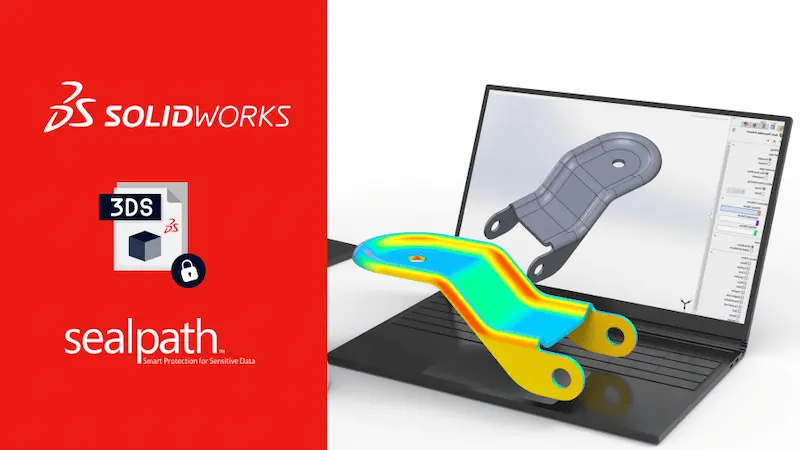
SolidWorks is a widely used 3D CAD software for mechanical and industrial design. Engineers can create parametric models, simulate assemblies, and even generate production-ready designs.
Key Benefits:
- Intuitive interface for 3D modeling
- Comprehensive simulation tools
- Supports product lifecycle management
5. Onshape
Onshape is a cloud-based CAD software designed for real-time collaboration. Teams can edit and comment on designs simultaneously, making it ideal for globally distributed engineering teams.
Key Benefits:
- No installation needed, fully cloud-based
- Version control and collaboration
- Mobile access for on-the-go design
6. BIM Software (Building Information Modeling)
Tools like Revit and ArchiCAD are transforming civil and structural engineering. BIM allows engineers to digitally model entire buildings, including architecture, structure, and systems, while enabling real-time collaboration with architects and contractors.
Key Benefits:
- Reduces construction errors
- Supports lifecycle management of buildings
- Enables clash detection between systems
7. Engineering Analytics & Data Tools
Tools like Tableau, Power BI, or specialized engineering analytics platforms allow engineers to analyze complex datasets. This is particularly useful in manufacturing, electronics, and energy sectors, where data-driven decisions improve efficiency and reduce risks.
Key Benefits:
- Visualize large datasets effectively
- Identify patterns and trends
- Enhance decision-making in design and operations
You may also like to read this:
Latest Engineering Trends 2026: AI, Robotics, Sustainability
Engineering Technology News Updates: Latest Innovations 2025
Modern Engineering Innovations Explained For Everyone
MATLAB Applications In Engineering: Complete Guide
Engineering Automation Trends Guide 2025: Key Innovations
How Emerging Tools Are Changing Engineering Careers
The rise of advanced engineering software has reshaped the skills needed in the workforce:
- Engineers now need digital design and simulation skills.
- Proficiency in cloud-based collaboration tools is highly valued.
- Knowledge of analytics and data visualization is becoming essential.
These tools also allow engineers to focus more on innovation rather than repetitive tasks. Creativity, problem-solving, and adaptability remain critical—software is just the tool that amplifies their abilities.
Future Trends in Engineering Tools
Looking ahead, several trends will further transform the field:
- AI-Powered Design and Automation
Artificial intelligence will assist in creating optimized designs, automating repetitive tasks, and predicting failures before they occur. - Augmented Reality (AR) and Virtual Reality (VR)
AR and VR will enable immersive design reviews, training simulations, and virtual prototyping. Engineers can interact with their designs in a 3D environment before production. - IoT Integration
Internet of Things (IoT) devices will feed real-time data into engineering software, allowing continuous monitoring, predictive maintenance, and improved decision-making. - Sustainable Engineering Software
Tools are increasingly including features to optimize energy use, reduce waste, and support sustainable materials in designs.
FAQs About Emerging Engineering Tools and Software
Q1: Are these tools difficult to learn?
Q2: Are these tools expensive?
Q3: Can these tools replace engineers?
Q4: How can I stay updated with emerging tools?
Conclusion
Emerging engineering tools and software are more than just a technological trend—they’re a fundamental part of modern engineering. They enable engineers to design smarter, test faster, analyze data efficiently, and collaborate seamlessly. By embracing these tools, engineers can focus on innovation and problem-solving, paving the way for faster, safer, and more sustainable engineering solutions.
Whether you are a student learning CAD for the first time or a seasoned engineer exploring AI-assisted design, keeping up with emerging tools ensures you stay ahead in an increasingly competitive field.